Heart Note: The Very Essence of a Fragrance
Discover what the heart note is in perfumery, its role, and how it creates the signature of a fragrance.

Heart note: the very essence of a fragrance
The heart note is the soul of a perfume : it emerges as the top note gives way, and carries a fragrance's olfactory identity for several hours. After it comes the base note.
Between application and evaporation, your skin is gently imbued with a whole world of scents. Every olfactory composition rests on these three stages: first the top note, almost instantly volatile; then the heart note, the radiance and character of the fragrance; and finally the base note, lasting and deep. It takes a little patience to detect it, once the perfume has been applied and the first scents have faded. It is the unforgettable moment when the olfactory signature unique to every Reminiscence creation is revealed.
What is a heart note in perfumery?
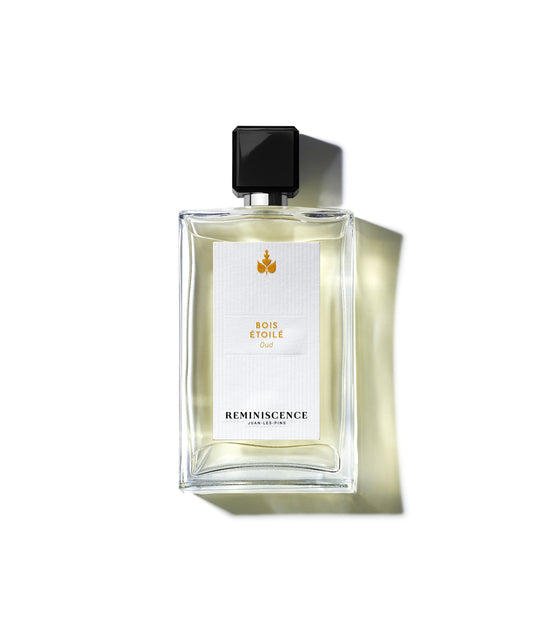
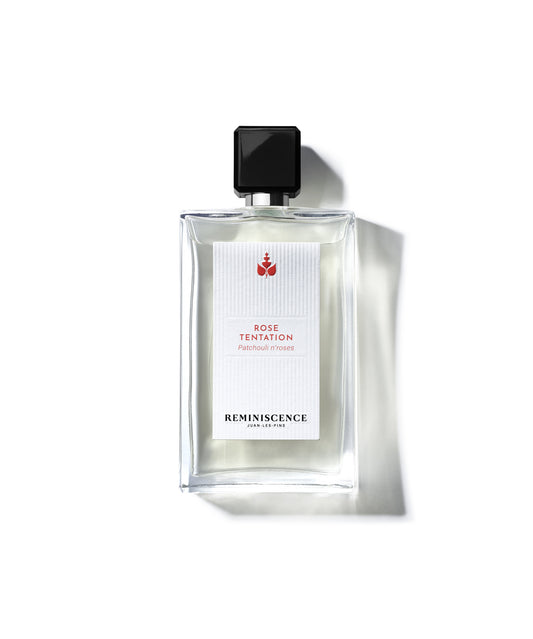
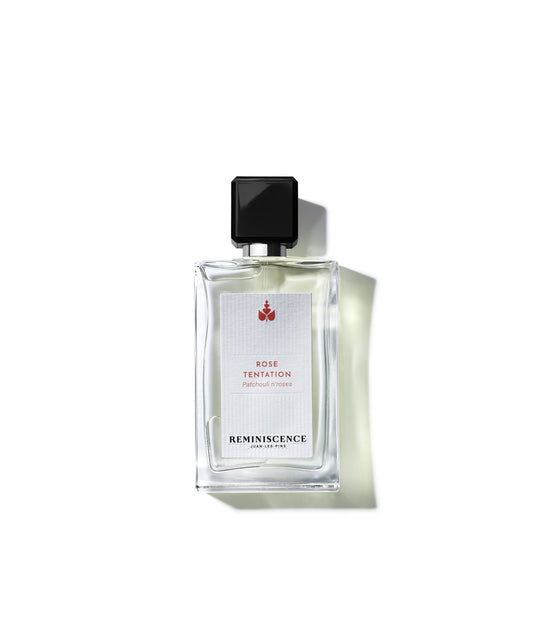
Music and perfumery are but one art. The heart note is often compared to a gentle olfactory symphony. After the brilliance of the first scents, it plays the main melody, before the base note extends the structure of the perfume on the skin. It is a decisive choice for professional perfumers : it gives a creation its identity, recognizable among all others. At Réminiscence, the rose that had bloomed this morning reveals its scents of Centifolia and Damascena alongside a patchouli steeped in vanilla in the composition Rose Tentation, in our floral perfumes. This olfactory foundation is crafted hand in hand with Robertet, the house's historic partner in Grasse since 1970. It is to their expertise and natural raw materials, combined with the perfumer's craft, that each of our perfumes owes its richness.
How can you tell the different notes apart?
A fragrance delights in being mysterious. It unfolds in three distinct stages, known in perfumery as the olfactory pyramid. Each has its own volatility and its own role when applied to the skin. Learning to tell them apart allows you to better perceive each scent:
|
Top note |
Heart note |
Base note |
|
|
Appearance |
Immediate |
Approximately 10 to 30 minutes later |
2 to 4 hours later |
|
Duration |
A few minutes |
Several hours |
All day long |
|
Role |
First olfactory impression |
Identity and signature of the perfume |
Sillage and staying power on the skin |
|
It could be… |
Citrus, herbs |
Flowers, spices, fruits |
Woods, musk, amber, vanilla |
What are the typical families and materials of a heart note?
The heart note draws on a range of olfactory families far broader than the top note: floral, spicy, fruity, or even oriental for certain compositions. It is at this moment that the perfumer chooses the ingredients that will give the perfume its true depth, often materials richer and less volatile than those of the opening (such as rose, mimosa, spices or sandalwood).
In our house, this diversity shows from one creation to the next while keeping a common foundation: patchouli, amber, musks, vanilla and tonka return as an olfactory common thread, whichever dominant family is chosen.
How does it evolve on the skin?
After application, the perfume blends with your skin to activate the molecules, particularly at pulse points (wrists, neck, inner elbows). It can then reveal itself fully throughout the day. Depending on your skin's pH and natural hydration, the same composition may seem slightly different from one person to another. This is also why layering is so interesting: applying a second fragrance can nuance the way your skin expresses the heart note, without ever distorting it. The perfume then becomes your unique signature.
The Réminiscence tip
Our advisors like to remind customers in our historic boutique in Cannes: don't trust the first impression on a blotter. The real test is to apply it to your skin and wait a little, while the top note fades and the heart note fully reveals itself. It is the heart note that will tell you whether the fragrance truly suits you. Take advantage of the samples offered with every order to repeat this experience at home, before settling on one (or several) perfumes.
What to remember about the heart note:
-
It is the central phase of the olfactory pyramid : it appears 10 to 30 minutes after application and sustains the perfume's identity for several hours.
-
Floral, woody or amber depending on the composition, it works in symbiosis with each skin's chemistry, making the same perfume unique to the person who wears it.
-
At Réminiscence, it holds the common thread of all our creations (patchouli, amber, musks, vanilla, tonka).
Our answers to your questions about the heart note: