What's the difference between unisex and androgynous perfumes?
Learn what makes a perfume unisex or androgynous, the notes to look for, and how to choose yours at Réminiscence.

You might assume they are the same, but unisex perfumes can be worn by anyone, without reference to gender, while an androgynous perfume is designed to transcend traditional gender barriers. The latter does not aim to be neutral, but rather to explore how fragrances collide to create something different. Unisex perfumes, on the other hand, aim for a traditionally neutral sillage (the trail your perfume leaves in the air), while androgynous perfume leans more into experimentation. Both reflect a growing desire for a genderless, more neutral approach to scent.
Has perfume always been gendered?
No, originally it was unisex. While there is a tendency to view certain fragrances as more feminine or more masculine, it is a relatively modern phenomenon that came about by design. In antiquity, both men and women wore a wide variety of scents. In the 19th century, fragrance became more feminine and men wore it less, yet a whole palette of accords remained open to all: spiced, smoky, leather, lavender, florals and fruity notes graced every skin.
One of the first popular fragrances aimed at men was Fougère Royale, eau de parfum, Paul Parquet's answer to the question: "What should a man smell like?" With it he created a new fragrance category and widened the perfume gender divide. Later, in 1934, perfumes like Caron's "Pour un Homme" appeared. It featured an accord of lavender and vanilla over a base of musky amber and cedarwood.
It is easy to see that the gendering of fragrance was a deliberate marketing ploy. By the 1950s, when women had returned to more traditional roles after the war effort, the nuclear family became the ideal and the market developed a clear division between men's and women's perfumes, relegating the neutral to the past.
Unisex perfumes all but disappeared until, in 1994, Calvin Klein's CK One redefined the category with its citrus aromatic accord and notes of lemon and mandarin: a true unisex eau de toilette. Many years later, it still feels clean and modern.
Today, perfumery has shifted again (or returned to its roots). Scent is increasingly genderless: it has become a form of self-expression, a creative, individualised, gender-fluid playground. Born on the French Riviera in the 1970s, Réminiscence has always made fragrance this way: for everyone, by design. Whether you prefer woody, marine or floral scents, each one has been carefully crafted to be worn by all.
What scent notes are commonly found in unisex perfumes?
When it comes to scent notes, certain profiles have traditionally been associated with feminine, masculine, unisex and androgynous bottles.
| Gender | Typical notes | Mood |
| Feminine | Rose, jasmine, raspberry, vanilla | Light, floral, everyday |
| Masculine | Leather, spices, smoke, amber | Deep, warm, evening |
| Unisex | Bergamot, sea salt, lavender, pink pepper | Fresh, invigorating |
| Androgynous | Contrasting pairs (e.g. rose + leather) | Complex, deliberately unresolved |
While it may carry the label of musky or gourmand, a single perfume rarely contains accords from only one family. It is a careful blend of top, heart and base notes that creates depth, character and intrigue.
Traditionally feminine fragrances
Typically floral, fruity or powdery, with elements like rose, jasmine, raspberry, violet and vanilla, minus the musky tones. They smell like a summer garden or an orchard in bloom. Florals make excellent everyday perfumes because their lightness suits many occasions. Many gourmand fragrances are also considered feminine, especially the sweeter ones.
Traditionally masculine fragrances
You can expect chypre, woody, ambery, musk and fougère scents, with elements like leather, spices and smoke. They are frequently deep and spicy, evoking a warm room on an autumn day or spices drying in the sun. Masculine accords are often used to add sophistication and character to the feminine, creating styles more suited to evening and special occasions.
Unisex fragrances
Neutral fragrances tend to be fresh, aromatic and marine, with elements like bergamot, lemon, sea salt, lavender and pink pepper. They recall morning walks along sun-kissed shores and Mediterranean meadows in bloom, an excellent option for daily wear in spring and summer. Uplifting and invigorating.
Androgynous fragrances
An active blend of contradictory scents, for example a floral paired with an amber fragrance, like rose and leather. It is not unusual to find a range of scent families in any given perfume, but these are designed specifically with accords that collide.
While these scent profiles offer some guidance, you can experiment with how you express yourself through scent. Different families work together in almost every bottle, whether parfum, eau de parfum or eau de toilette. The deeper notes add character and complexity for a long-lasting sillage.
Which Réminiscence fragrances lean unisex or androgynous?
We design fragrances for people to express themselves, through signature scents, innovative layering and the journey of experimentation. We purposely don't gender-label our perfumes. Here are some recommendations for scents that speak louder to a gender-neutral audience.
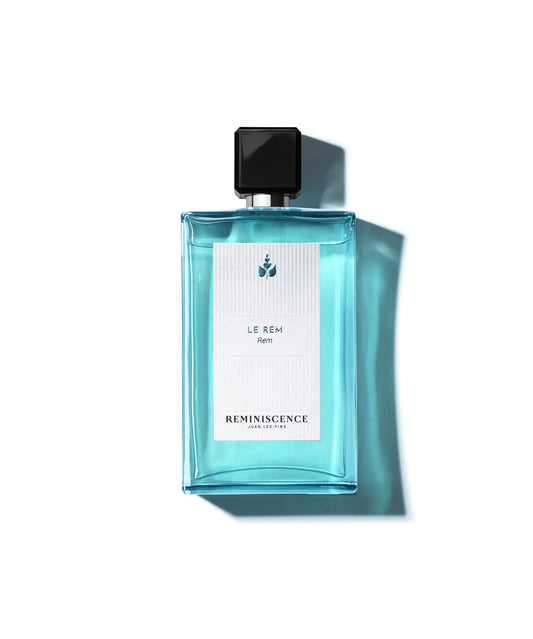
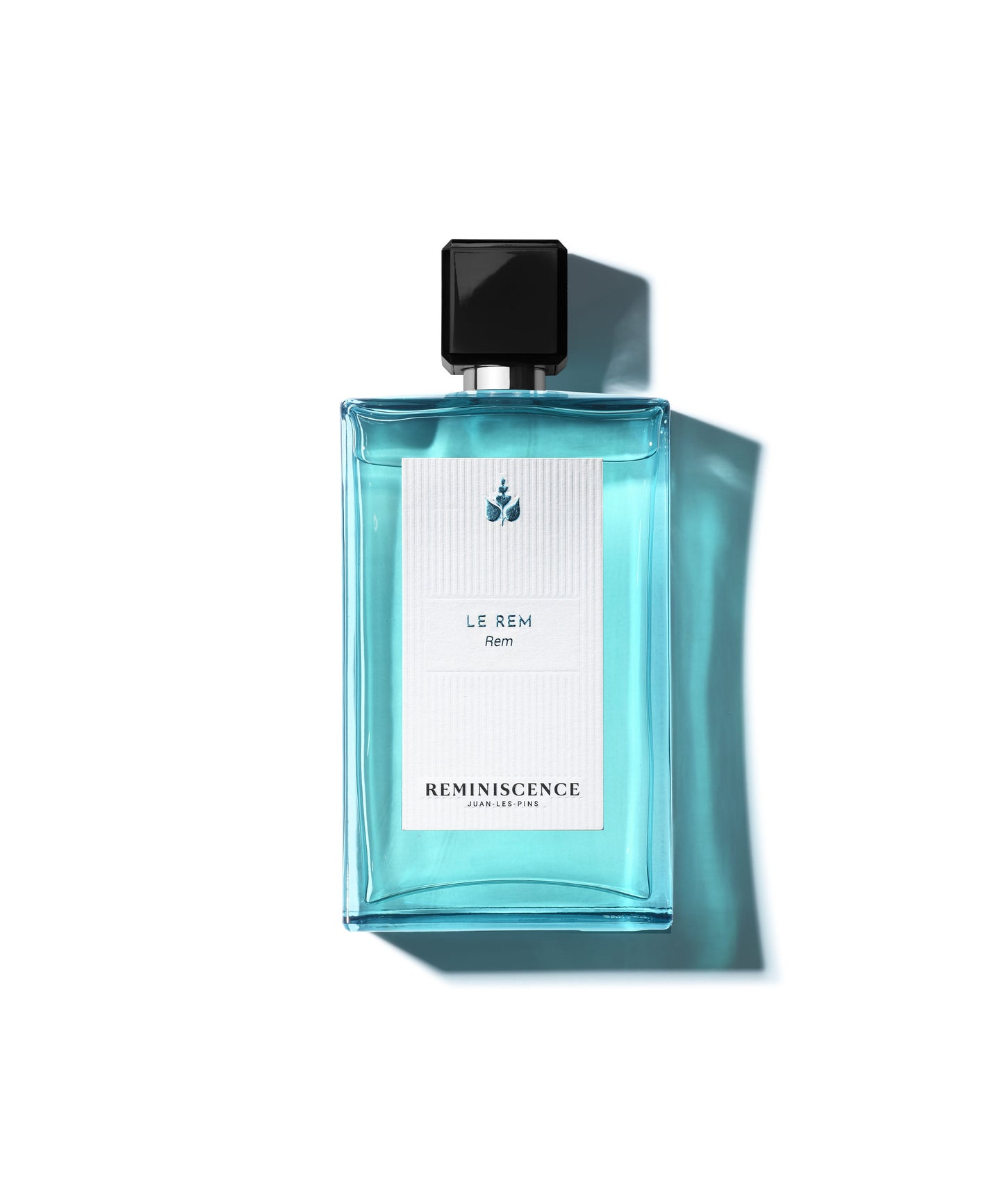
- Le Rem has all the hallmarks of a unisex perfume: it has the fresh, aquatic scent associated with genderless fragrances and captures the spirit of a seaside escape: salty air, sun on skin and an instant sense of freedom.
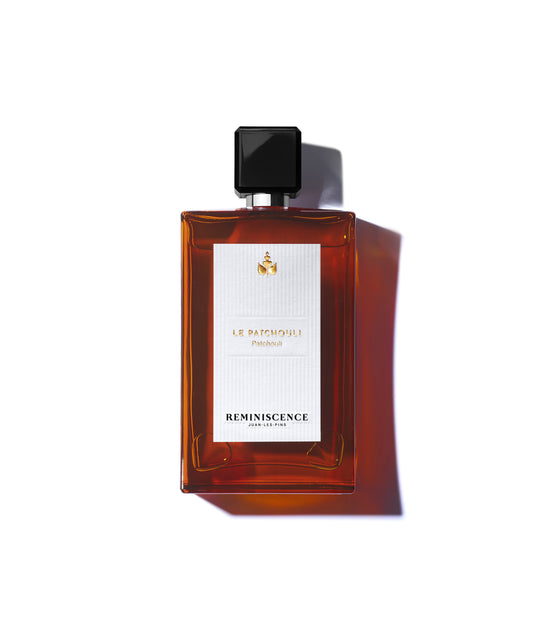
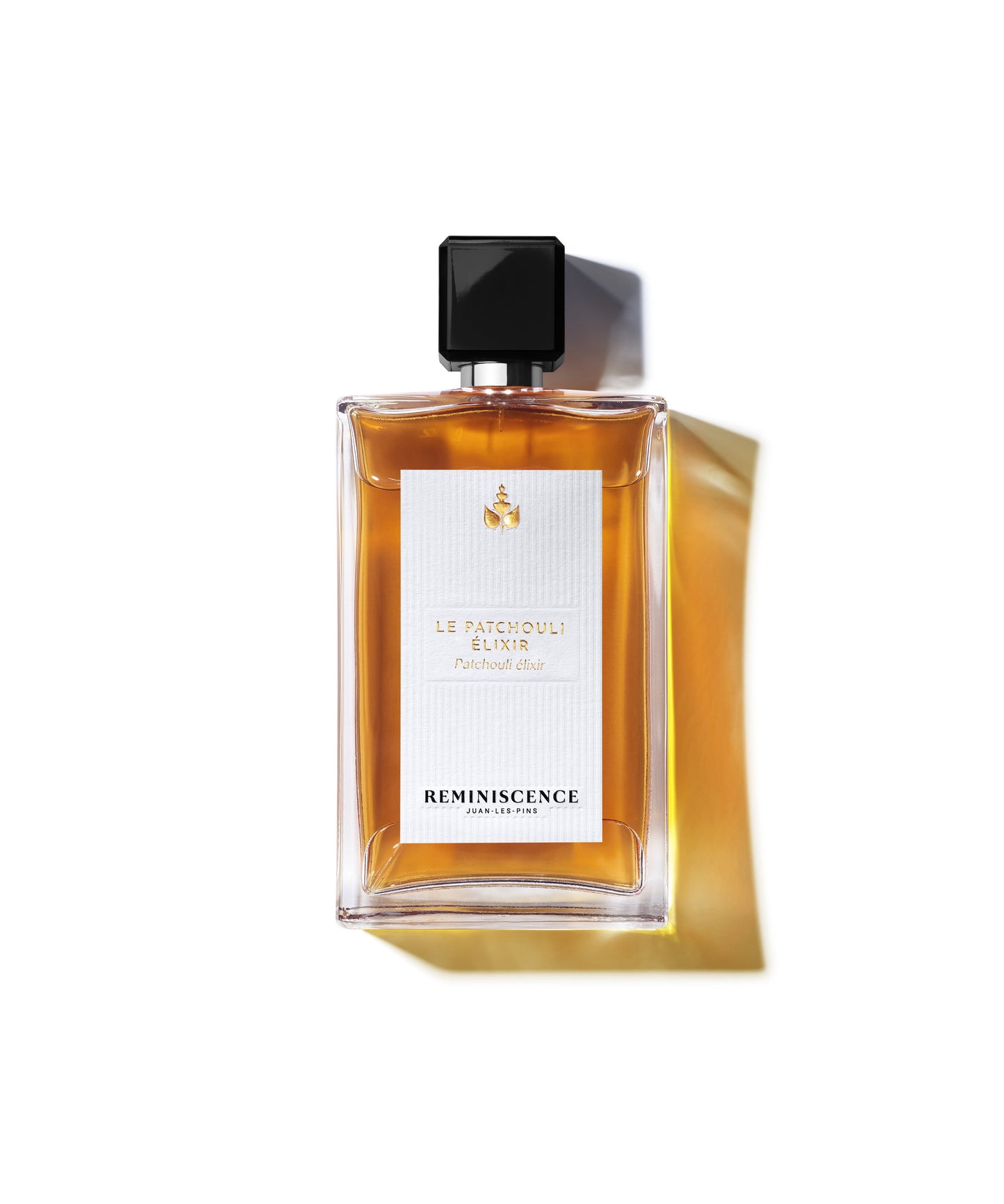
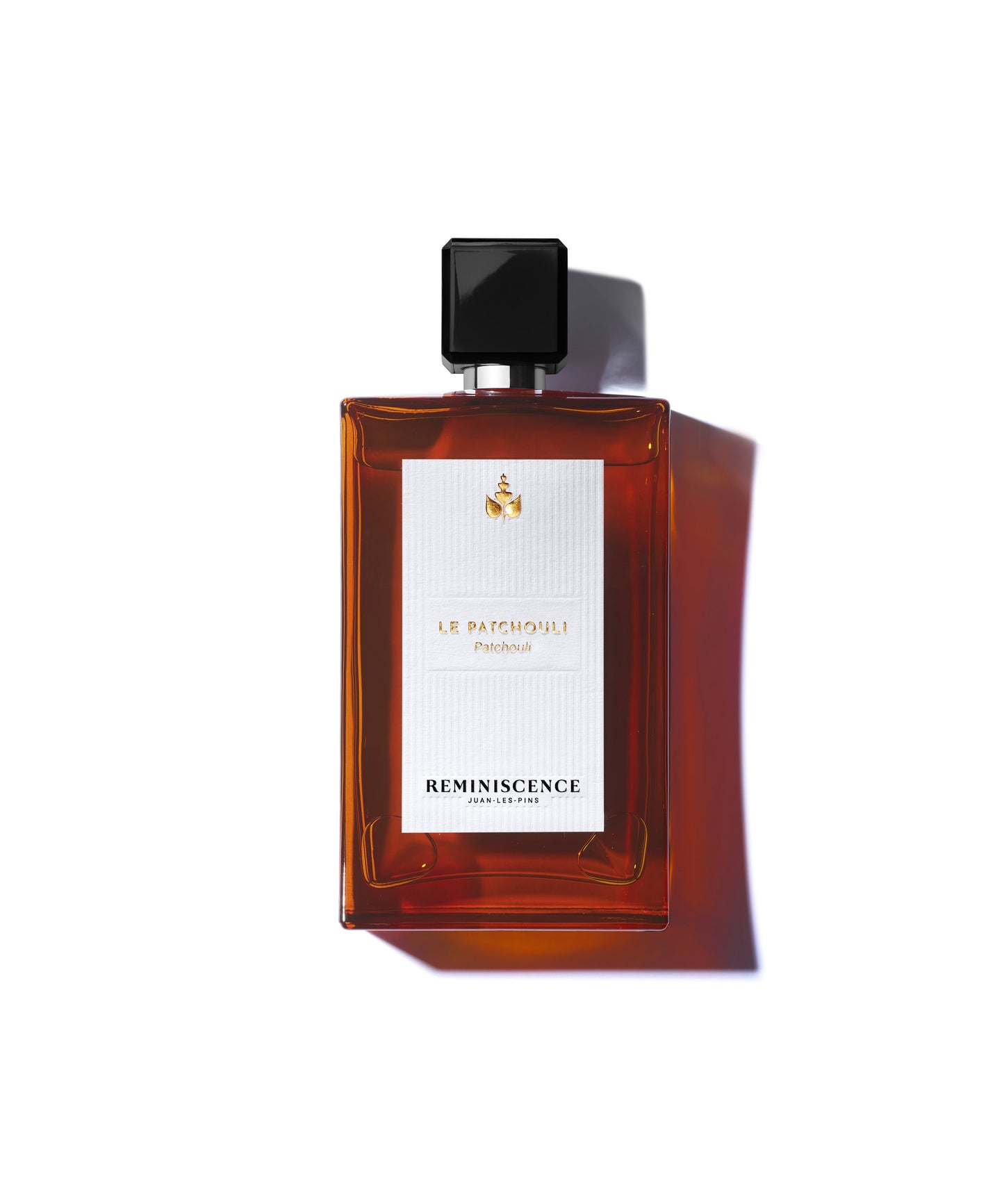
- Le Patchouli tends more towards the androgynous end of the spectrum: it sits outside the feminine/masculine split of floral and woody perfumes, and evokes audacity, travel and free spirits.
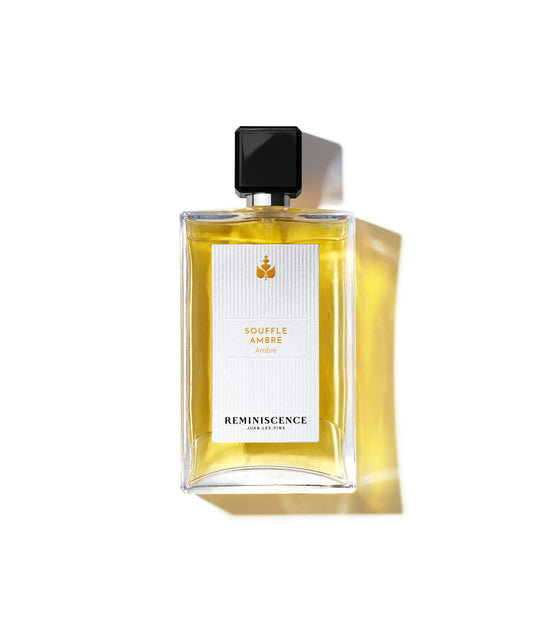
- Souffle Ambré has an enchanting softness and warmth that temper its potentially masculine nature. It evokes a unique journey, person or familiar emotion for everyone who wears it.
- Musc Charnel is cottony and reassuring, with floral, musky base notes. It captures the space between purity and sensuality.
How do you choose a unisex perfume that suits your personal style?
Choosing a scent to suit your personal style is an invitation to let go of gender perceptions. The best unisex fragrance is the one that makes you feel uniquely you. You might love the fresh, citrusy tones designated as neutral, but don't let that stop you from exploring something more floral or a musky blend.
To find something that suits your personal style, start by testing a wide variety of fragrances, ignoring the labelling as needed. Niche houses, like Réminiscence, are an ideal place to start. They are not created for mass appeal: you are guaranteed to find something different. That difference often comes down to material, not marketing. Réminiscence has worked with Robertet since its first fragrance, favouring whole, natural raw materials at high concentration; Le Patchouli, for instance, is built on nearly 60% patchouli essential oil. It is this attention to material, more than any label, that gives a fragrance its character.
It is often best to start with a discovery set, as it lets you try a range of scents in smaller sizes. Remember to let the perfume sit on your skin for a few hours to allow it to develop. The top notes are fleeting, followed by longer-lasting heart notes and finally the base notes. You want to be sure you enjoy every facet before you decide.
How do you layer perfume to create a unique unisex fragrance?
Once you have discovered a fragrance, or a selection, that you love, you might like to try layering to create scents that are uniquely yours. The key to successful layering is to start with the deepest elements: try an ambery or a woody fragrance, then layer your heart and top notes, which are usually floral, citrus or aromatic. It is fine to use both parfum and eau de toilette, but never spray perfumes on top of one another: spray them next to each other to avoid unwanted interactions.
Key takeaways
- A unisex perfume can be whatever you choose: the norms of feminine or masculine were created for marketing purposes and are increasingly being broken down.
- Many perfumes labelled unisex have a fresh, citrusy appeal, but that is not the only option available. Niche houses like Réminiscence offer fragrances for everyone, with options that span a wide variety of scent families.
- Find the best perfume for you by trying different ones and discovering what works well with your skin. Try to look beyond gender labelling.
- You can create a completely unique signature scent by layering different fragrances. Start with the deeper tones and layer the lighter ones on top.