What is fragrance layering and why should I try it?
Learn the art of fragrance layering and make your own scent to suit every occasion and mood.

Fragrance layering, or scent stacking, is the act of combining two or more perfumes to make your own. Rather than adding a bottle of a well-known brand to your basket, you can enjoy putting together something you love.
Perfume layering is part-art, part-science: a signature ritual for those desiring a scent that belongs to no one else. Once you’ve mastered it, you’ll have the finishing touch for every mood and occasion. This idea sits close to our house's own beginnings: our very first fragrance was born from one woman layering a single scent memory and using her instincts. Stacking works the same way; it takes a little knowledge at first, but the result is a scent that could only ever be yours.
How do I choose the right perfume for fragrance layering?
It’s a case of learning a few basic rules, and then enjoying breaking them if you choose. The creative process can feel intimidating at the outset, but once you master the basics of different families and try combinations on your skin, you’ll soon understand which work well together and those you should avoid.
Tips for choosing complementary scents and balancing notes
A good place to start is to build a basic understanding of the perfume pyramid and fragrance families. You can use this as a foundation to develop your knowledge and increase the complexity of your signature creation.
The perfume pyramid
Perfume is made up of top, heart and base notes. You smell fleeting top notes instantly; they’ll dissipate within 10-30 minutes. The heart notes follow: they’re the soul of the perfume and last around two to four hours. Finally the base notes come out to play; these deeper tones have more character, lasting around six hours.
Fragrance families
Knowing these families will help you understand the make-up of the perfumes you own and give you an insight into how to stack scents effectively. While you might have success with an ad hoc spray-and-test approach, understanding the basics will add a certain level of skill and direction to your experimentation.
There are four key fragrance families: Floral, Woody, Amber and Fresh, within which there are also layers like Gourmand and Musk.
| Fragrance Family | Type / Impression | Typical Notes | Recognised Subfamilies |
| Floral | Delicate, romantic, powdery | Rose, jasmine, violet, orange blossom | Fruity Floral (pear, peach, berries) · Powdery Floral (iris, heliotrope, violet) · White Floral (jasmine, tuberose, orange blossom) |
| Woody | Grounded, sophisticated, earthy | Sandalwood, cedar, vetiver, patchouli | Aromatic Woody (lavender, herbs) · Spicy Woody (pepper, cardamom) · Amber Woody (resins, vanilla) |
| Amber | Warm, sensual, spicy, resinous | Vanilla, benzoin, labdanum, tonka bean | Spicy Amber (cinnamon, clove) · Woody Amber (sandalwood, patchouli) · Gourmand (chocolate, caramel, praline) |
| Fresh | Invigorating, clean, bright | Bergamot, lemon, marine notes, aromatic herbs | Citrus (lemon, bergamot, mandarin) · Green (leaves, grass, galbanum) · Aquatic (marine, ozonic notes) · Aromatic (lavender, rosemary, herbs) |
How can I start fragrance layering?
Once you understand the families, four approaches to layering open up:
- Use like-minded perfumes together (layer common notes)
The majority of perfumes, whether a parfum, eau de parfum or eau de toilette, are made up of carefully blended elements. These come together to make up the whole, so you can pick out common themes and wear them together.
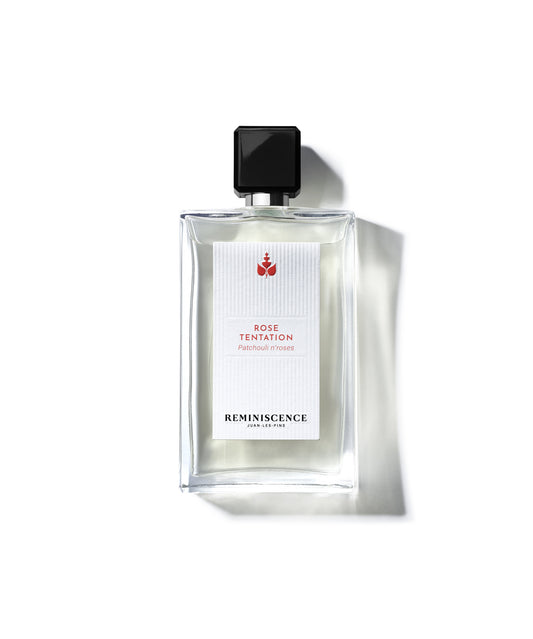
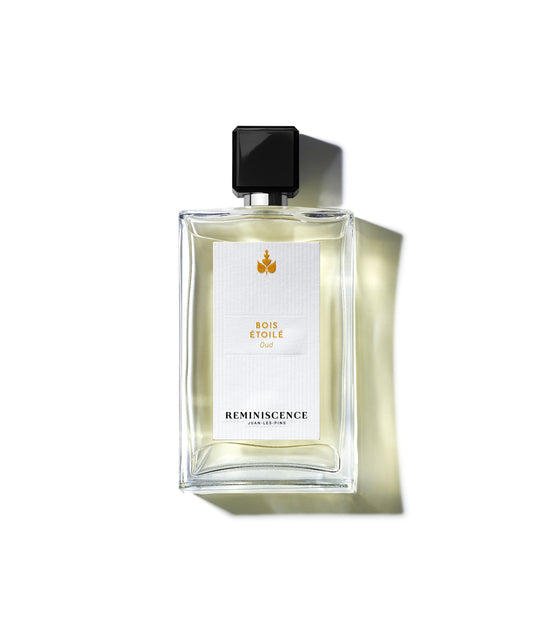
For example, many perfumes contain rose, like Rose Tentation and Bois Étoilé. This layering theory assumes that the common notes will work together, balancing the other scents within the two perfumes. In fact, there are no Réminiscence perfumes that you cannot combine: they are made that way by design. - Start with a simple foundation
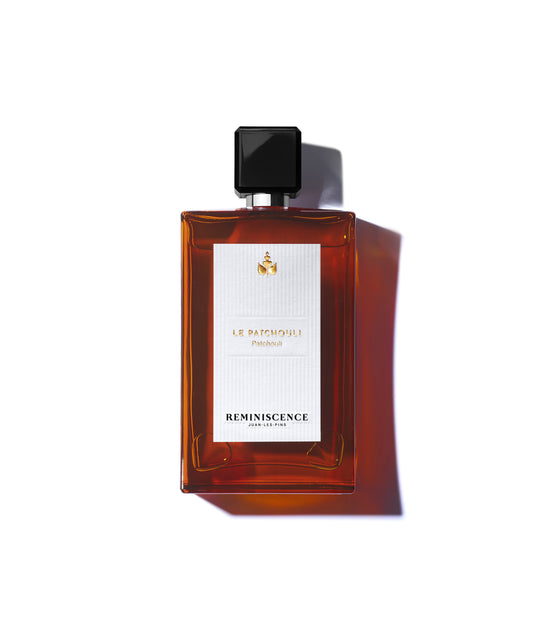
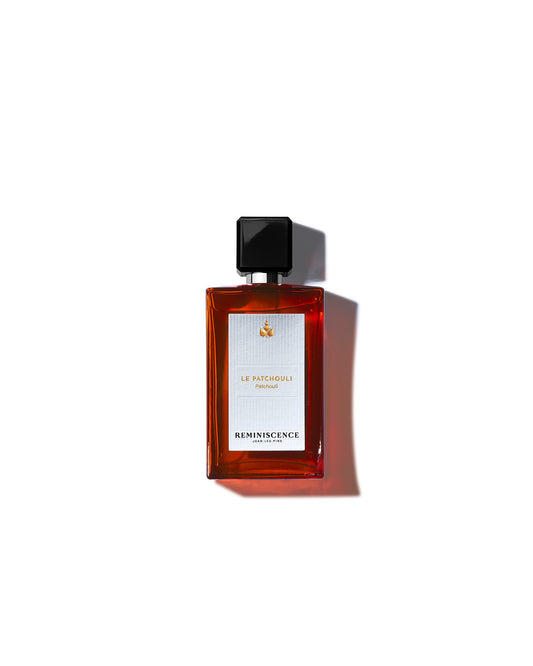
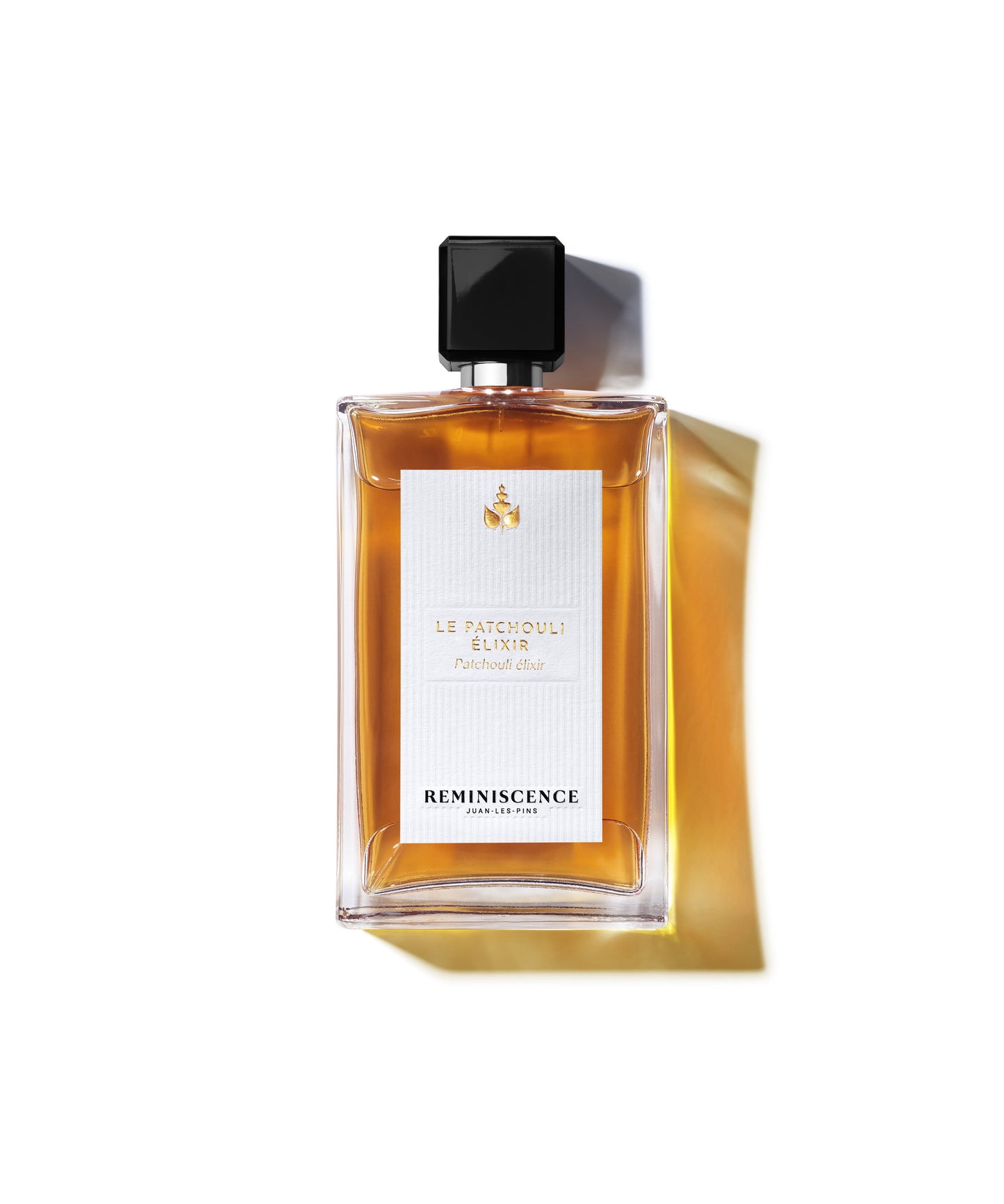
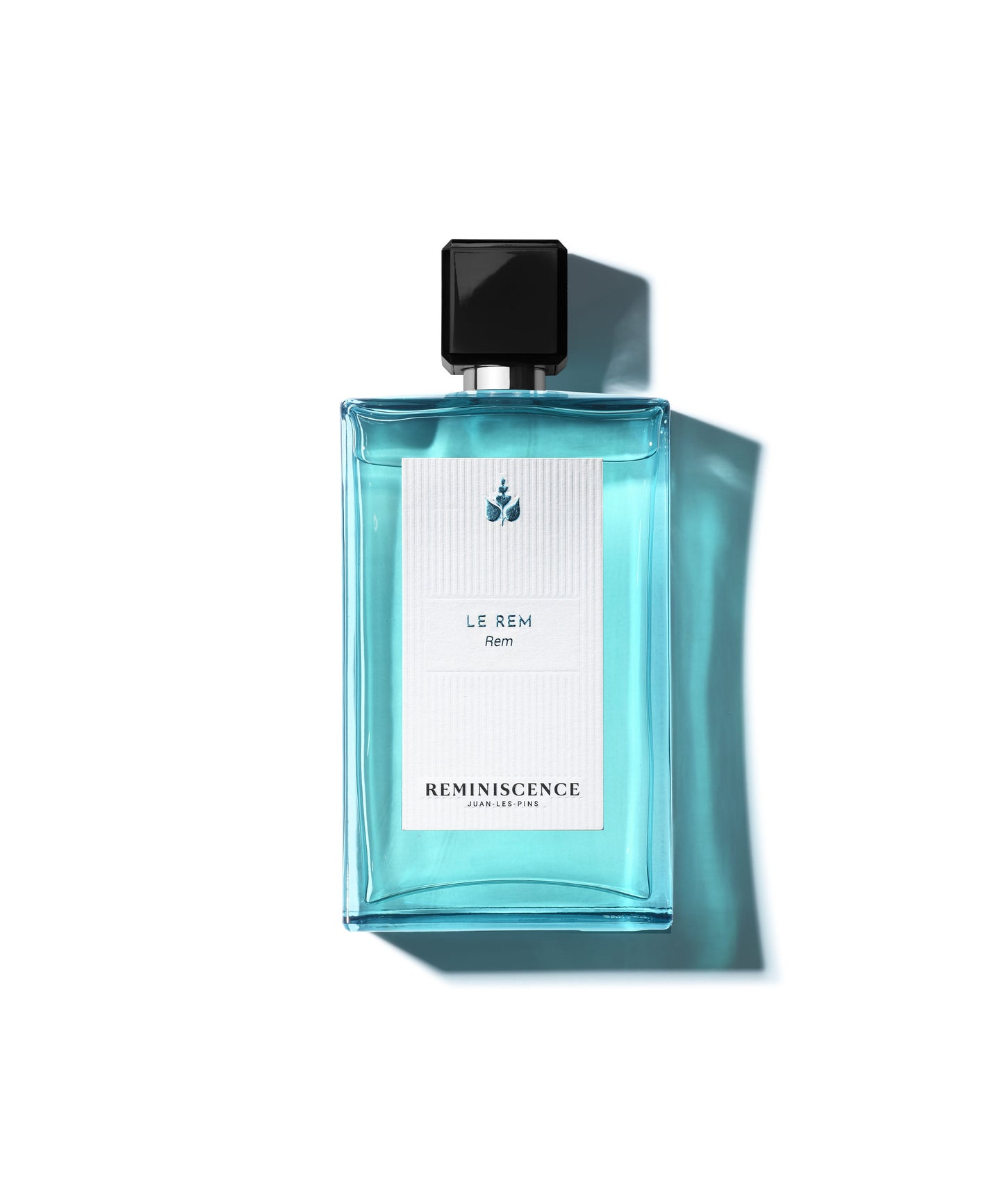
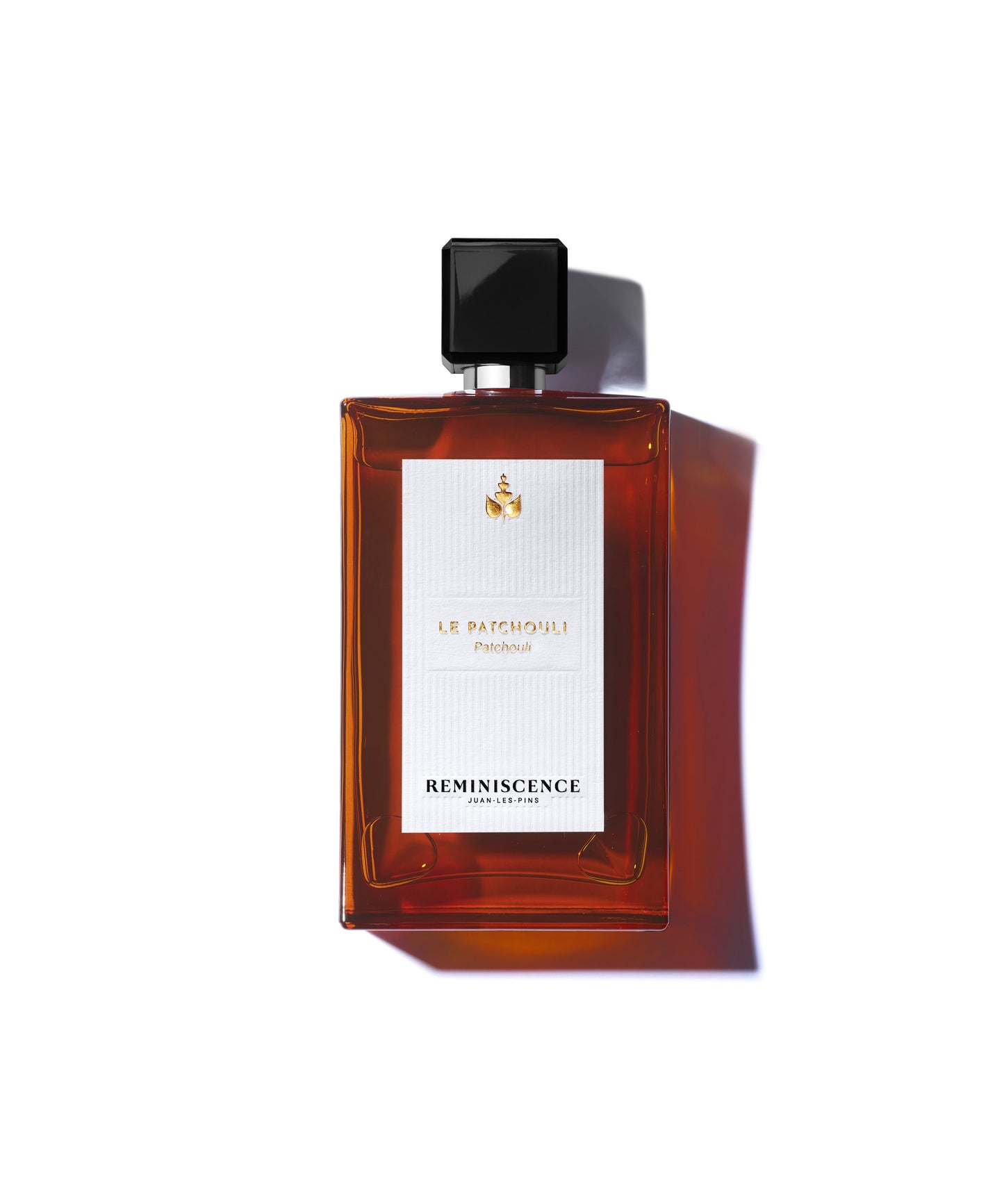
A second approach is to find a simple foundation that you enjoy and then try it with whatever suits your mood or the occasion. You can find base perfumes with single note structures, for example, vanilla or tonka bean, but you might also try with more complex perfumes. Good foundations for layering are usually the wood or ambery fragrances. Le Patchouli is designed to support layering. It is the founding fragrance of our house on the French Riviera. Patchouli can enhance, enliven and also soften and deepen other perfumes, which is why it has long been used as a base for perfume layering. Stacking Le Patchouli with Sous un Mimosa de Provence or Le Rem works well. - Combine complementary notes
This method requires a little more knowledge as you need to understand which scents work well together on the skin. The fragrance wheel developed by Michael Edwards is an excellent tool for scent stacking. It shows the scent families but also their various facets, how they intertwine and overlap and even how they contrast. For example, floral scents can range from fruity to amber, so an amber floral can blend elegantly with a wood or moss-toned amber. See the Rose Tentation, Bois Étoilé combination above. For a contrasting layer you could combine a woody fragrance with citrus, like Fleur de Délice with Souffle Ambré, even though those also sit in the floral and amber fragrance categories. - Random layering
While not the most scientific approach, you can simply layer perfumes you think may smell good together; make your own scent regardless of any rules. In truth, the more you practise according to the guidelines above, the better you will get and the more intuitive it will become. A simple way to try scent layering is with a discovery set, as you will be able to play with several quality scents without having to commit to a full-size bottle of perfume.
What order should I apply different fragrances?
Here’s a step-by-step guide on how to layer:
- Begin with your body lotion or cream, unscented or a complementary fragrance.
- Apply the deepest tones of fragrance, usually the woody, ambery perfumes: vanilla, tonka bean, patchouli, cedarwood etc.
- Lastly add the lighter tones, the florals, gourmands, citrus and marine fragrances.
Application tips
- Apply eau de parfum to the pulse points (wrists, neck, back of the knees), spray eau de toilette more liberally and onto clothing (test first).
- Never layer your fragrances on top of each other: apply to separate areas of the skin, for example, one to your wrists and one to your neck.
- A little about ratios: use 1 spray of eau de parfum to 3 sprays of eau de toilette for the best balance of fragrance.
- Overall, 2-3 sprays of eau de parfum, 6-8 of eau de toilette.
- Less is more: start small and add as you go, it is easier than having to fix it.
- Layer as many perfumes as you wish but 2-3 is generally enough.
What are some recommended fragrance layering combinations?
Popular scent layering combinations include:
- Floral and spice: to add a little depth and intrigue
- Patchouli and floral: to add a sensual more grounding note
- Wood and citrus: to deepen the character and prolong the scent
- Gourmand and musk: to temper the sweetness for a cleaner profile
This table shows some fragrance pairing examples for Réminiscence perfume, don’t be afraid to explore your own scent combinations too, there are none that should be avoided.

How can I make my layered scent last all day?
A long-lasting layered fragrance starts with the concentration of your perfume, and that’s decided by the raw materials used, their quality and the skill with which they’re blended. Typically, eau de parfum is stronger and contains around 15-20% perfume oil, while eau de toilette contains around 5-15%. So, an eau de parfum will generally last longer.
The scent profile is another crucial factor, with lighter aromatic or green tones tending to fade more quickly than the wood or amber ones. As ever, preparation is key. An eau de parfum works best with well-hydrated skin, so, if you can, moisturise before you begin. You can choose an unscented moisturiser or one that complements your planned blend.
Are there any scent combinations to avoid when fragrance layering?
In addition to following the recommended steps, from wood, musk or vanilla to lighter florals, gourmands and marine fragrances, there are two common mistakes to avoid:
- Applying two fragrances that want to be the star. The art of layering works best when one fragrance leads and the other supports. Two bold scents together can feel as if they’re competing.
- Not testing the fragrances on your skin. Perfume interacts with the skin of the person wearing it, so it smells slightly different on everyone. Try not to rely on testing strips, as you won’t get a true reflection of the end result.
Key takeaways
- Fragrance layering (scent stacking) combines two or more perfumes to create a personalised signature scent.
- Know the perfume pyramid: top notes fade fast (10–30 min), heart notes last 2–4 hrs, base notes linger 6+ hrs.
- Learn the fragrance families: floral, woody, amber, fresh, to understand what pairs well.
- Four ways to layer: match common notes, build from a simple foundation, combine complementary notes via the fragrance wheel, or go by intuition.
- Apply in order: moisturiser, deep tones, then lighter tones, on different skin points.
- Avoid two “star” scents competing: let one lead. Always test on skin.